Garden helpers
Who eats the pests for free, and how to invite them into the garden.
- No pesticides, not even «organic» ones: they kill the helpers too, and pests come back faster.
- Keep something in flower from April to October: phacelia, buckwheat, dill, marigolds, clover.
- Leave a little untidiness: a heap of leaves, hollow stems, stones, a log — winter homes.
- Water: a shallow dish with stones or a small pond.
- Put up with a few aphids: they are the food that keeps the helpers in your garden.
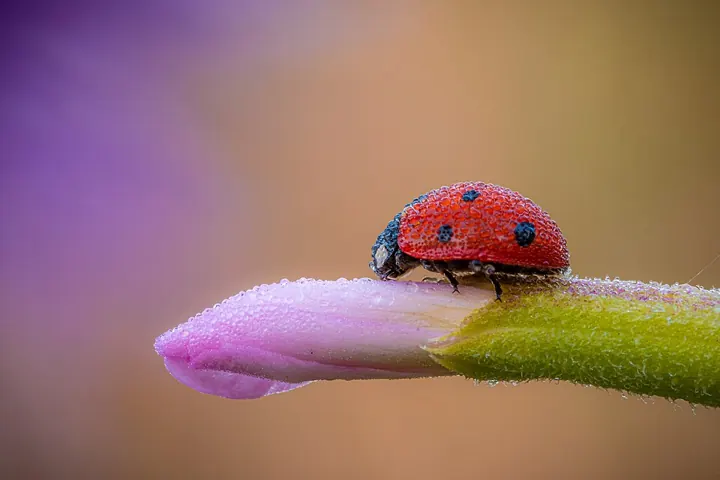
🐞 Ladybird
Coccinellidae
Aphids, scale insects, spider mites. One larva eats 400–600 aphids before it pupates.
Don't spray the grey spiky larvae: they are ladybirds too. Leave dry leaves and hollow stems for the winter.
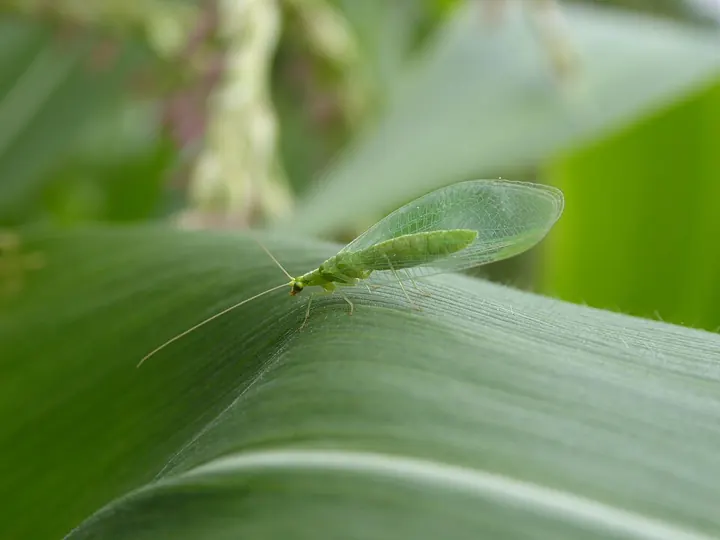
🌿 Green lacewing
Chrysopidae
Its larvae, «aphid lions», eat aphids, thrips, whitefly and mite eggs.
Adults live on nectar and pollen. In autumn they look for a dry shed or a lacewing box.
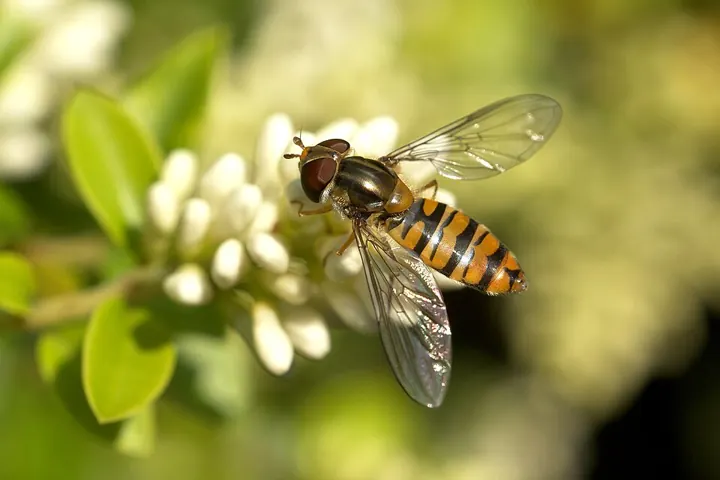
🪰 Hoverfly
Syrphidae
Larvae eat aphids; adults pollinate. They look like small wasps but don't sting.
Needs open flowers from spring to autumn.
Draws in the helpers: Phacelia, Marigold, Buckwheat, Mustard
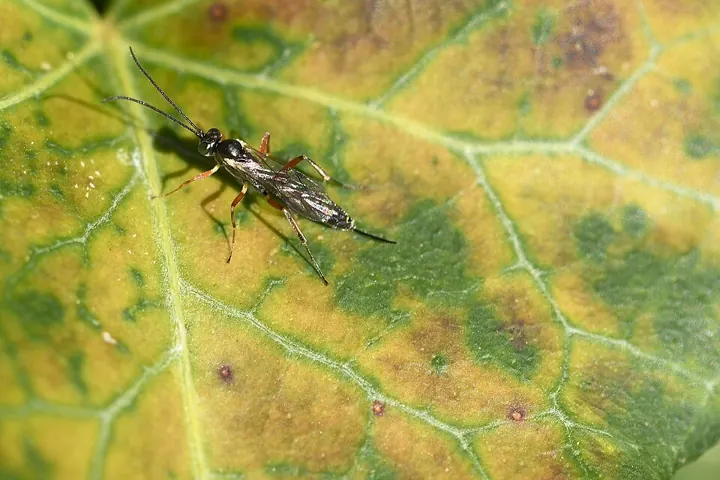
🌿 Parasitic wasps
Braconidae · Ichneumonidae
Lay eggs in aphids and caterpillars of cabbage whites and moths: a swollen brown «mummy» aphid is their work.
Tiny flowers with easy nectar. Let a few carrots and parsnips flower.
Draws in the helpers: Dill, Chervil, Buckwheat, Summer Savory
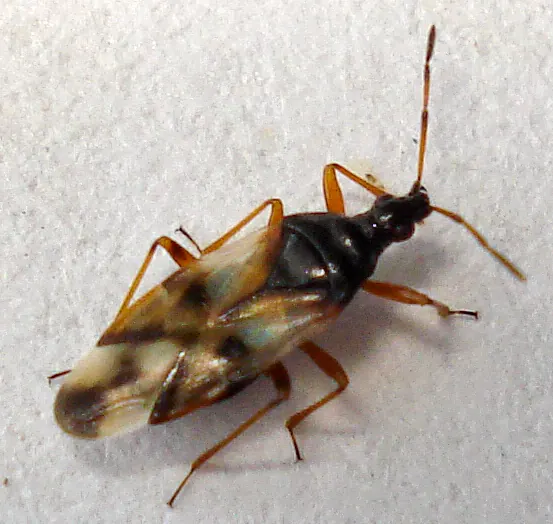
🌿 Predatory bugs
Orius · Anthocoris
Thrips, aphids, spider mites, insect eggs.
Spend the winter in leaf litter and under bark.
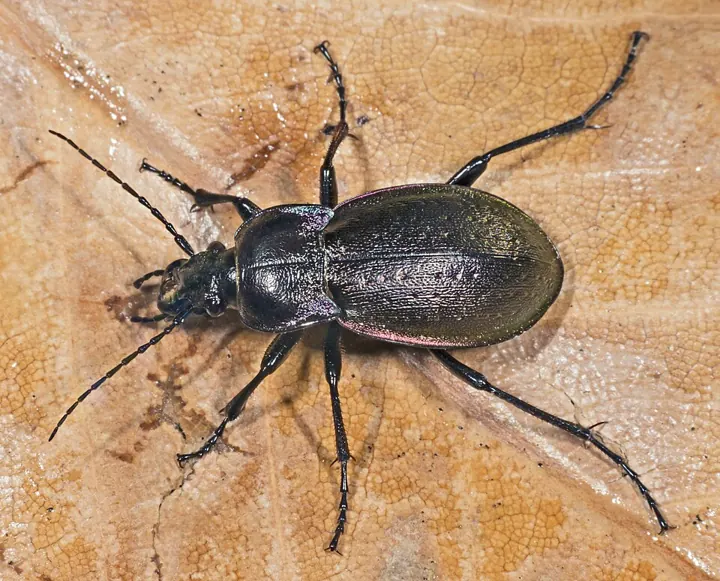
🪲 Ground beetles
Carabidae
Slugs and their eggs, cutworms, Colorado beetle larvae, weed seeds.
Hunt at night, hide by day: mulch, boards, stones, a strip of grass. Deep digging and slug pellets kill them.
Draws in the helpers: White Clover, Red Clover
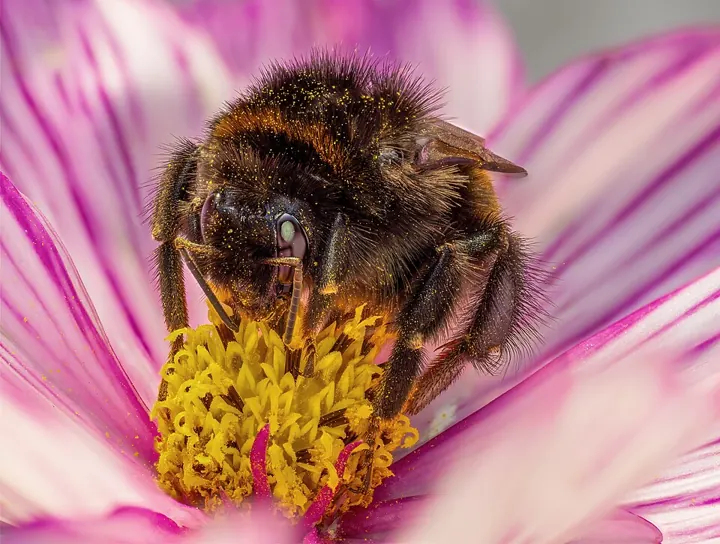
🐝 Bumblebees and wild bees
Bombus · Apoidea
Pollinate tomatoes, cucumbers, squash and strawberries: more fruit, better shaped.
Flowers from early spring, a patch of bare soil, dead stems or a bee hotel for nesting, a shallow water dish.
Draws in the helpers: Phacelia, Borage, Red Clover, Lavender, Hyssop
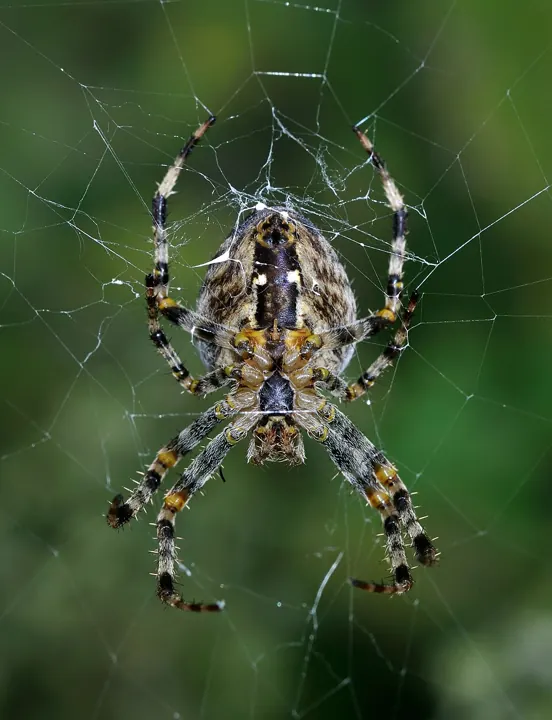
🕷️ Spiders
Araneae
Flies, aphids, leafhoppers, moths — whatever gets caught.
Leave webs and tall plants alone; mulch and stones give cover.
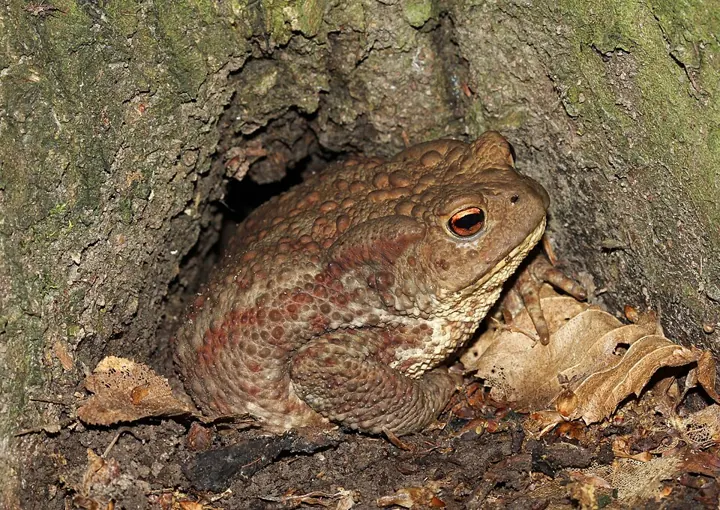
🐸 Toads and frogs
Bufonidae · Ranidae
Slugs, snails, beetles, woodlice — at night.
A small pond without fish, stones and a log pile; no slug pellets.
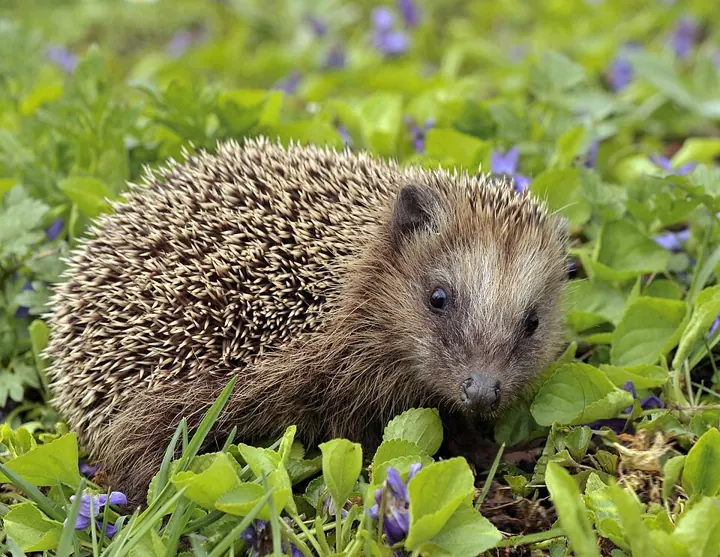
🦔 Hedgehog
Erinaceus europaeus
Slugs, snails, beetles, caterpillars.
A 13 cm gap under the fence, a heap of leaves and branches. No slug pellets, and no milk: they can't digest it.
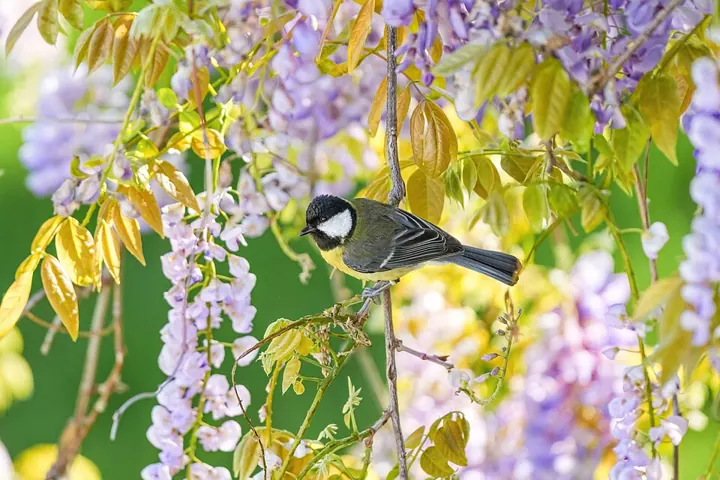
🐦 Tits and other birds
Paridae
A pair of great tits brings its chicks thousands of caterpillars in spring.
Nest boxes, water, berry shrubs; winter feeding in moderation.
Draws in the helpers: Sunflower
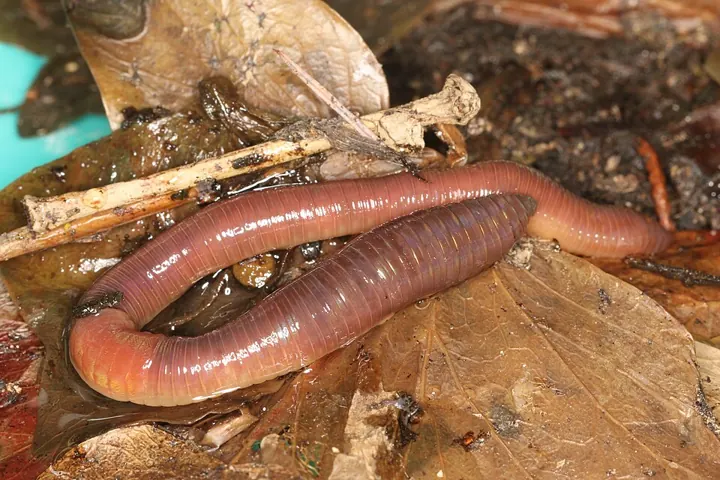
🪱 Earthworms
Lumbricus terrestris · Lumbricidae
Fallen leaves, dead roots and mulch — they turn them into crumbly humus and dig channels for air and water.
Mulch instead of bare soil, no deep digging, no chemicals; cover crops feed them over winter. Many worms = healthy soil.
Draws in the helpers: White Clover, Phacelia
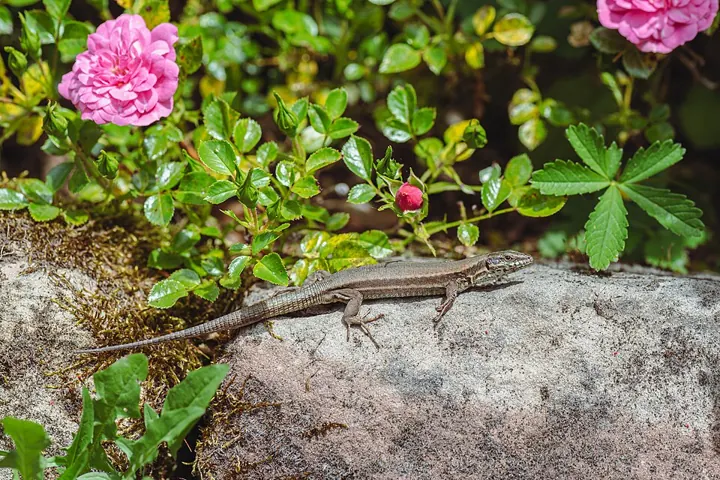
🦎 Lizards
Podarcis muralis · Lacerta agilis
Flies, grasshoppers, spiders, woodlice, small caterpillars.
A sunny dry-stone wall or a pile of stones to bask on, a few gaps to hide in; keep the cat away.
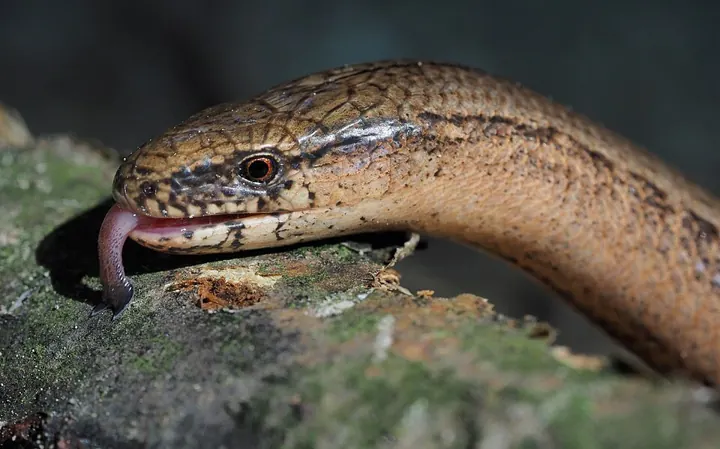
🦎 Slow worm
Anguis fragilis
Slugs and snails above all — a garden's best slug hunter. A legless lizard, harmless: not a snake.
Lives under boards, roofing sheets, in the compost heap and long grass. Don't move those hiding places in summer.
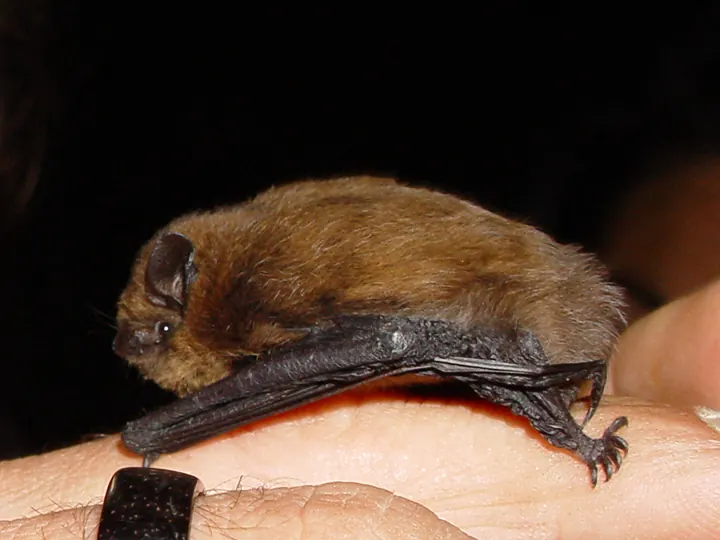
🦇 Bats
Pipistrellus
At night: moths (codling moth, cutworm moths), mosquitoes, beetles — a few thousand insects a night.
A bat box high on a wall facing south, a pond nearby, and no lights left on all night in the garden.
Make a plan for your own plot
Draw your beds, pick the crops and download a 3-year plan. No sign-up.